Advantages of Tungsten Alloy Counterweight
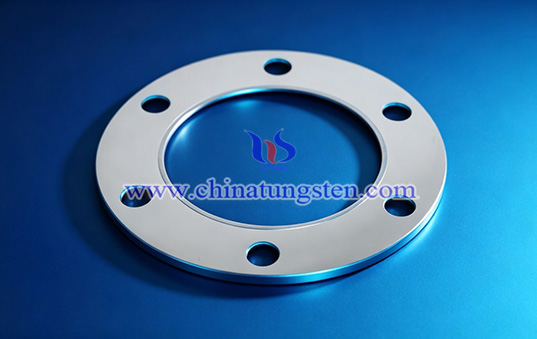
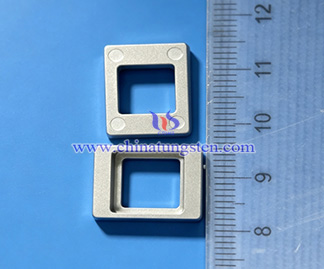
Tungsten alloy counterweight offers high density and compact size, providing substantial mass within limited space. It also offers good mechanical strength and dimensional stability, with material systems and customized structures available to meet equipment requirements for magnetic properties, mounting methods, and dimensional accuracy. There are several key advantages of tungsten alloy counterweights, including high density, effective balance adjustment, high mechanical strength, dimensional stability, flexible customization, selectable magnetic properties, and lead-free material options.
Advantages of Tungsten Alloy Counterweight
1. High Density, More Mass in Less Space
Tungsten alloy counterweights typically have a density of 16.5–18.8 g/cm³, higher than that of common counterweight materials such as lead, steel, and copper. At the same weight, tungsten alloy occupies less space, making it suitable for equipment that requires substantial counterweight mass in a limited installation space. The comparison of density and relative volume of tungsten alloy and common counterweight materials are shown in the following picture.
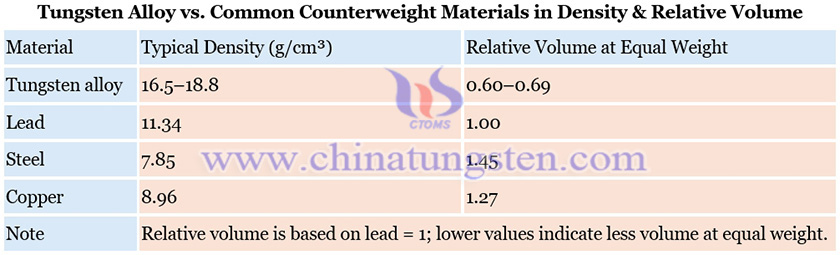
At equal weight, tungsten alloy occupies approximately 31%–40% less volume than lead and 52%–58% less than steel. This compact size allows counterweights to fit into limited installation spaces while leaving more room for other components.
2. Concentrated Mass for Center-of-Gravity and Balance Adjustment
Equipment balance depends on total weight, mass distribution, and counterweight position. Tungsten alloy's high density allows relatively small components to provide substantial mass, facilitating adjustments to the center of gravity and overall mass distribution.
Properly positioned tungsten alloy counterweights improve rotational balance and reduce vibration caused by uneven mass distribution in rotating equipment. Robotic arms and mobile platforms also use these counterweights to adjust their centers of gravity and maintain stable operation. The actual effects depend on counterweight position, structural design, rotational speed, and operating conditions.
CTIA provides tungsten alloy counterweights in customized shapes and dimensions to meet target weight, installation space, and mounting requirements.
3. High Mechanical Strength for Load-Bearing Applications
Tungsten alloy counterweights offer high density, hardness, and mechanical strength. Compared with softer lead, tungsten alloy is suitable for equipment exposed to vibration, impact, or sustained mechanical loads.
Tungsten-nickel-iron (W-Ni-Fe) alloy typically has a hardness of approximately 25–35 HRC and a tensile strength of approximately 700–1,000 MPa. Actual properties depend on alloy composition, manufacturing process, and processing condition. Material selection should also account for equipment loads and mounting methods.
CTIA offers W-Ni-Fe and tungsten-nickel-copper (W-Ni-Cu) alloys and corresponding machining solutions to meet equipment load and structural requirements.
4. Low Thermal Expansion for Dimensional Stability
Tungsten alloy typically has a coefficient of thermal expansion of approximately 4–6×10⁻⁶/K. Its relatively low thermal expansion helps limit dimensional changes as temperature varies, supporting dimensional stability and consistent assembly fit.
Precision instruments, rotating mechanisms, and equipment with tight assembly clearances require consideration of dimensional changes caused by temperature variations. Compatibility between the thermal expansion characteristics of the counterweight and adjacent components can also affect assembly performance. Material selection should therefore account for operating temperature, adjacent component materials, and dimensional tolerances.
CTIA provides material and machining solutions based on counterweight dimensions, assembly tolerances, and operating conditions.
5. Flexible Shapes and Customized Structures
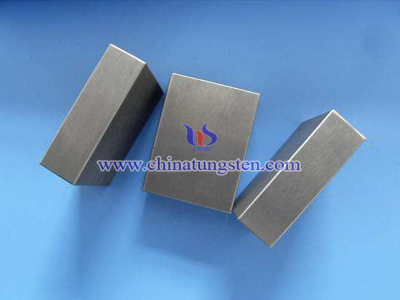
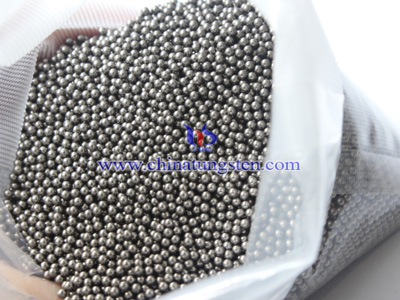
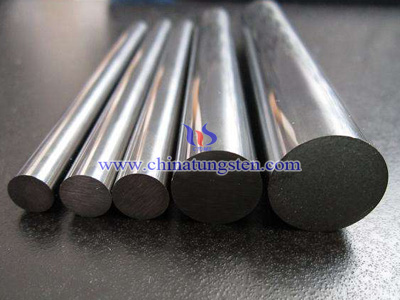
Tungsten alloy counterweights can be machined into blocks, rods, balls, plates, rings, and other customized shapes to meet different requirements for installation space and weight. Threaded holes, locating holes, counterbores, grooves, and mounting surfaces can also be machined to facilitate fastening and assembly.
Counterweight customization involves several factors, including external dimensions, target weight, hole-position accuracy, dimensional tolerances, and mounting location. Tungsten alloy's high hardness makes machining processes and tool selection important factors in processing efficiency and final dimensional accuracy.
CTIA provides customized material systems, shapes, dimensions, and mounting structures to meet equipment assembly requirements.
6. Selectable Material Systems for Different Magnetic Requirements
Different tungsten alloy systems have different magnetic properties. W-Ni-Fe alloys typically exhibit weak ferromagnetism, while W-Ni-Cu alloys are generally non-ferromagnetic or exhibit a low magnetic response. The appropriate material system can be selected according to the equipment's magnetic requirements and operating conditions.
Magnetic Resonance Imaging (MRI) equipment and precision measuring instruments may be sensitive to magnetic properties. Magnetic permeability or response should be verified against the specific application requirements, with testing performed when necessary.
CTIA offers tungsten alloy counterweights in different material systems to address equipment-specific magnetic requirements.
7. Lead-Free Alternative for Counterweight Applications
Tungsten alloy counterweight provides a lead-free alternative to lead counterweights. Its higher density and generally greater hardness and mechanical strength make it suitable for counterweight components that require substantial mass, compact size, and structural strength.
Because tungsten alloy differs from lead in density and machining characteristics, replacing a lead counterweight requires recalculating the target weight and dimensions rather than directly reusing the original design. The finished component must also meet the requirements of its operating environment and applicable regulations.
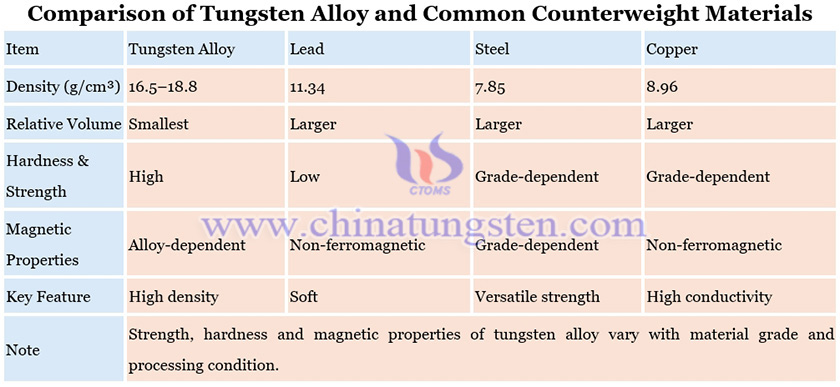
CTIA provides customized tungsten alloy counterweights to meet target weight, space, and mounting requirements. The comparison of tungsten alloy and common counterweight materials is shown in the picture as follows:
CTIA GROUP (CTIA) draws on nearly 30 years of experience in tungsten alloy manufacturing, supported by capabilities in powder metallurgy, precision machining, and quality inspection. CTIA provides customized tungsten alloy counterweights based on target weight, density grade, material system, dimensional tolerances, mounting method, and structural characteristics to meet the counterweight and balancing requirements of different equipment.
For any inquiry, please contact tungsten alloy manufacturer: CTIA GROUP
Email: sales@chinatungsten.com
Tel: 0086 592 5129696 / 0086 592 5129595
Website: tungsten-alloy.com
WeChat:

Related Products: