Tungsten Alloy Turbine Balancing Block
1. What’s Tungsten Alloy Turbine Balancing Block?
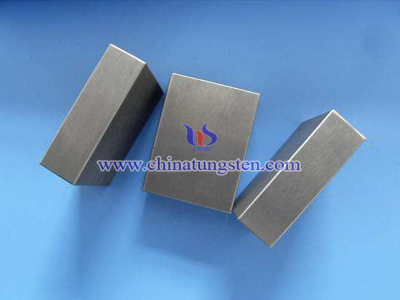
Tungsten alloy turbine balancing block is tungsten alloy counterweight installed at designated positions on turbine rotors, impellers, or other rotating parts to compensate for localized mass deviations, adjust rotor mass distribution, and correct dynamic imbalance. A steam turbine converts thermal energy into mechanical energy as expanding steam drives the blades, impellers, and rotor at high speeds, making mass distribution a key factor in operating balance. CTIA's tungsten alloy turbine balancing block supports rotor balancing during turbine manufacturing, assembly, and maintenance. Localized mass compensation helps improve mass distribution and reduce vibration caused by imbalance.
2. Features of CTIA's Tungsten Alloy Turbine Balancing Blocks
(1) High Density, Concentrated Mass: A typical density of 16.5–18.8 g/cm³ allows substantial mass to be concentrated within limited installation space, making tungsten alloy balancing blocks suitable for localized mass correction on rotors and impellers.
(2) Flexible Mass Configuration, Convenient Dynamic Balancing: Balancing mass can be concentrated at designated positions, with block weight and installation location adjusted according to dynamic balancing test results.
(3) High Strength, Resistance to Rotational Loads: Tensile strength can reach 700–1000 MPa, enabling the blocks to withstand centrifugal loads, mechanical vibrations, and repeated stresses during high-speed rotation.
(4) High Dimensional Accuracy, Good Assembly Compatibility: Precision turning, milling, grinding, and drilling allow accurate control of external dimensions, hole positions, and mounting interfaces.
(5) Good Wear Resistance, Long-Term Stability: Wear resistance and dimensional stability support long-term operation under rotational motion, vibration, and mechanical loads.
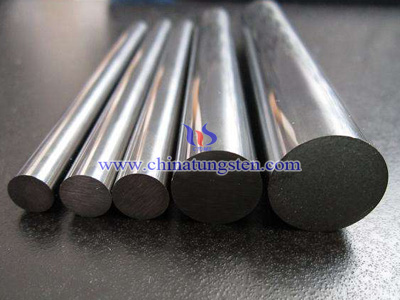
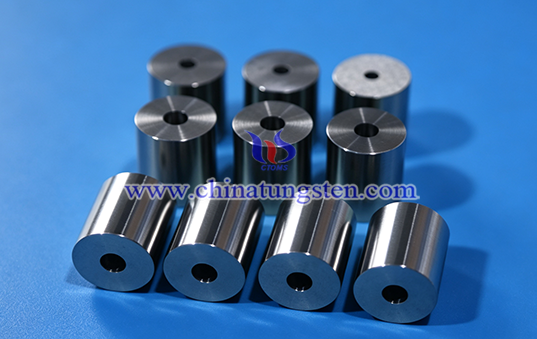
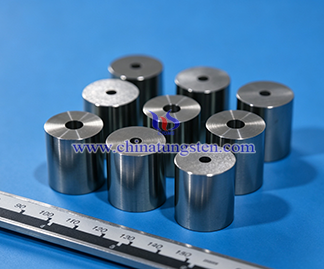
(6) Flexible Structures, Compatibility with Different Rotors: Available in block, curved, sector-shaped, cylindrical, and custom-shaped forms with holes to fit balancing holes, balancing slots, and other mounting structures on rotors and impellers.
3. Applications of CTIA's Tungsten Alloy Turbine Balancing Blocks
(1) Thermal Power Plant Steam Turbines: Used to correct dynamic imbalance in rotating components such as turbine rotors and impellers, compensating for localized mass deviations during manufacturing, assembly, and maintenance.
(2) Nuclear Power Steam Turbines: Used to balance rotor and impeller mass distribution, with block weight, position, and fastening method configured according to dynamic balancing test results.
(3) Industrial Steam Turbines: Used on turbine rotors that drive compressors, pumps, fans, and other equipment to provide localized mass compensation during assembly and maintenance.
(4) Marine Steam Turbines: Used on turbine rotors and impellers in marine propulsion systems to compensate for rotating-component imbalance and correct dynamic balance.
4. Specifications of CTIA's Tungsten Alloy Turbine Balancing Blocks
(1) Materials: W-Ni-Fe, W-Ni-Cu
(2) Tungsten Content: 90%–97%
(3) Density: 16.5–18.8 g/cm³
(4) Shapes: Tungsten alloy balancing blocks, curved blocks, sector-shaped blocks, cylindrical blocks, and custom-shaped parts with holes
(5) Dimensions and Weight: Customizable
CTIA GROUP (CTIA) has nearly 30 years of experience in tungsten alloy manufacturing, with expertise in powder metallurgy and precision machining. CTIA provides customized tungsten alloy balancing blocks with tailored weight, geometry, and mounting features to accommodate rotor and impeller balancing requirements, available installation space, and fastening configurations.
For any inquiry, please contact tungsten alloy manufacturer: CTIA GROUP
Email: sales@chinatungsten.com
Tel: 0086 592 5129696 / 0086 592 5129595
Website: tungsten-alloy.com
WeChat:

Related Products: