Tungsten Alloy Optical Equipment Counterweight
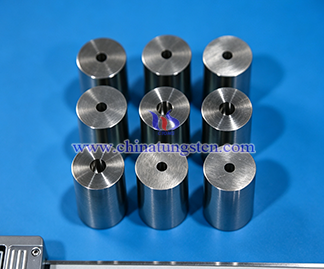
1. What’s Tungsten Alloy Optical Equipment Counterweight?
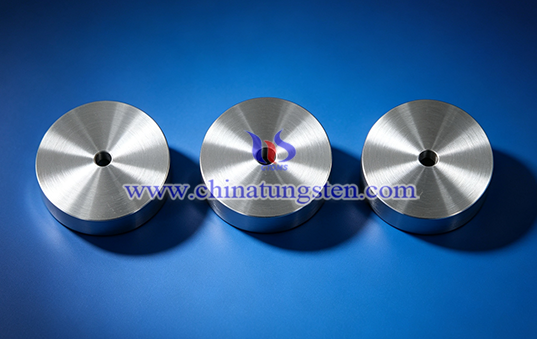
Tungsten alloy optical equipment counterweight is balancing weight installed on optical equipment and its moving, supporting, or adjustment mechanisms to regulate mass distribution, center of gravity, and load conditions. Optical equipment typically includes optical tubes, mounts, mirrors, lenses, stages, and precision adjustment mechanisms. The mass and position of counterweights affect equipment balance, stability, and motion. CTIA's tungsten alloy optical equipment counterweight takes advantage of tungsten alloy's high density, compact size, and dimensional stability for center-of-gravity adjustment, mass balancing, and precision mechanism weighting in optical equipment.
2. Features of CTIA's Tungsten Alloy Optical Equipment Counterweights
(1) High Density, Compact Size: A density of 16.5–18.8 g/cm³ allows the required mass to fit within limited installation space in compact optical equipment and precision motion mechanisms.
(2) Concentrated Mass, Flexible Center-of-Gravity Adjustment: Flexible weight and dimensional options enable precise mass distribution and center-of-gravity adjustment for optical components, motion platforms, and support mechanisms.
(3) Dimensional Stability, Precision Assembly: A coefficient of thermal expansion of approximately 4.4–5.5 × 10⁻⁶/K minimizes dimensional changes, supporting precise counterweight positioning and assembly in optical equipment.
(4) Versatile Structures, Easy Equipment Integration: Tungsten alloy plates, cylinders, rings, and custom-shaped parts with holes, slots, threads, and other mounting features accommodate different optical mechanisms.
(5) High Mechanical Strength, Suitable for Moving Mechanisms: A tensile strength of 700–1000 MPa supports counterweight applications in optical equipment subject to frequent adjustment, movement, or long-term operation.
3. Applications of CTIA's Tungsten Alloy Optical Equipment Counterweights
(1) Telescopes: Installed on optical tubes, mounts, and other components to adjust the overall center of gravity and improve balance during altitude and azimuth movements.
(2) Microscopes: Installed on stages, mounts, and focusing mechanisms to balance the mass distribution of moving components.
(3) Optical Measuring Instruments: Used in mounts, stages, and adjustment mechanisms to maintain appropriate mass distribution and load conditions in moving components.
(4) Optical Imaging Equipment: Installed on camera mounts and adjustment mechanisms in cameras and industrial vision systems to help adjust equipment center of gravity and motion balance.
(5) Spectrometers and Optical Analysis Equipment: Integrated into optical components, detection modules, and motion mechanisms to meet mass configuration requirements within limited internal space.
4. Common Specifications of CTIA's Tungsten Alloy Optical Equipment Counterweights
(1) Materials: W-Ni-Fe and W-Ni-Cu tungsten alloys
(2) Tungsten Content: 90%–97%
(3) Density: 16.5–18.8 g/cm³
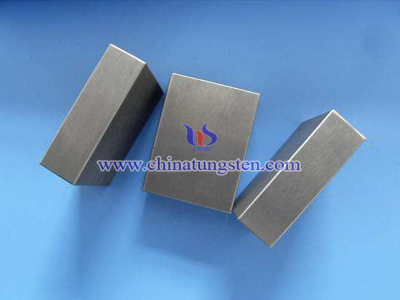
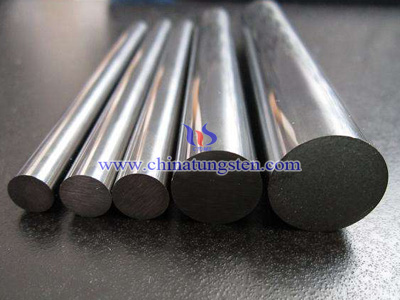
(4) Forms: Tungsten alloy plates, blocks, rings, rods, and custom-shaped parts
(5) Dimensions: Customizable
(6) Surface Finish: Polished and other finishes
CTIA GROUP (CTIA) has nearly 30 years of experience in tungsten alloy manufacturing, with expertise in powder metallurgy and precision machining. CTIA provides customized tungsten alloy counterweights in a range of dimensions and mounting configurations to meet specific mass requirements, center-of-gravity positions, space constraints, and installation methods for optical systems.
For any inquiry, please contact tungsten alloy manufacturer: CTIA GROUP
Email: sales@chinatungsten.com
Tel: 0086 592 5129696 / 0086 592 5129595
Website: tungsten-alloy.com
WeChat:

Related Products: