Tungsten Alloy Counterweight in Automotive
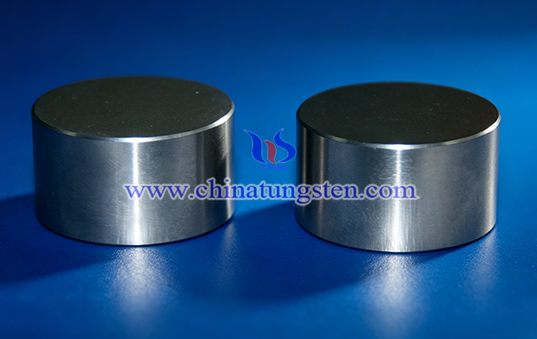
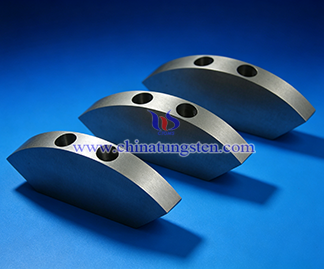
Tungsten alloy counterweight in automotive is a mass adjustment component installed in automotive chassis, wheels, engines, drivetrains and body structures to add local mass, adjust center of gravity and optimize mass distribution. CTIA's tungsten alloy counterweight combines high density, compact volume and relatively high strength, reducing space requirements while withstanding vibration and inertial loads in automotive applications.
1. Features of CTIA's Tungsten Alloy Counterweight in Automotive
(1) High Density, Compact Volume: Tungsten alloy typically has a density of 16.5–18.8 g/cm³, with the same mass occupying approximately 42%–48% of the volume of steel, making it suitable for counterweight layouts within limited automotive space.
(2) Concentrated Mass, Flexible Adjustment: Weight, dimensions and installation position can be configured according to requirements, allowing precise adjustment of local mass distribution and center of gravity.
(3) High Strength, Vibration Resistance: Tensile strength typically reaches 700–1200 MPa, with hardness of approximately 25–35 HRC, providing resistance to vibration, impact and inertial loads during vehicle operation.
(4) Dimensional Stability, Long-Term Reliability: With a linear thermal expansion coefficient of approximately 4.3–5.5×10⁻⁶/°C, tungsten alloy maintains stable dimensions under temperature variations, helping keep the counterweight securely positioned.
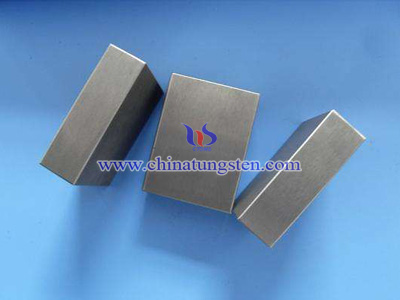
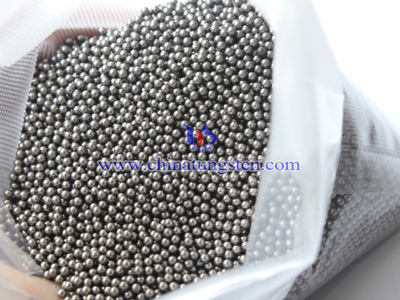
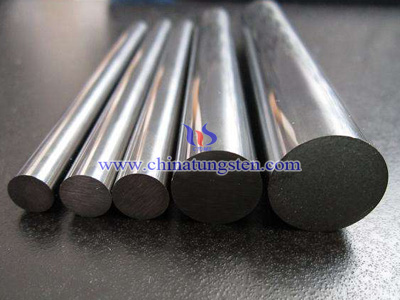
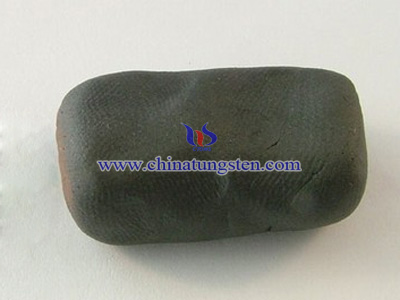
(5) Flexible Structures, Easy Installation: Available as tungsten alloy blocks, rods, balls, rings and irregular parts, with holes, threads, slots and steps machined to suit different automotive components and installation methods.
2. Applications of CTIA's Tungsten Alloy Counterweight in Automotive
(1) Chassis Systems: Used in chassis structures, suspension and frame-related positions to add local mass and optimize vehicle center of gravity.
(2) Wheel Systems: Used in wheels, hubs and rims to correct mass deviations and improve rotational balance.
(3) Engine Systems: Used in crankshafts, flywheels and other moving components to compensate for mass deviations and reduce operating vibration.
(4) Drivetrain Systems: Used in drive shafts, gears and other rotating components to adjust inertia distribution and improve drivetrain operating stability.
(5) Body Structures: Used in body structures and internal mounting positions to add local mass and meet specific weight distribution requirements.
(6) Electric Drive Systems: Used in motor rotors, reduction mechanisms and related moving components to optimize rotational inertia and improve operating smoothness.
3. Specifications of CTIA's Tungsten Alloy Counterweight in Automotive
(1) Material: W-Ni-Fe or W-Ni-Cu tungsten alloy
(2) Tungsten Content: Approximately 90%–97%
(3) Density: 16.5–18.8 g/cm³
(4) Counterweight Forms: Crankshaft counterweights, chassis counterweights, wheel counterweights, flywheel counterweights and customized irregular counterweight parts
(5) Dimensions: Customizable
(6) Surface Condition: Precision-ground or precision-machined, surface treatment optional
CTIA GROUP (CTIA) has nearly 30 years of tungsten alloy manufacturing experience and provides customized tungsten alloy counterweight solutions with different dimensions, weights and structures, tailored to the installation space, counterweight position and machining requirements of automotive chassis, wheels, engines and drivetrain components.
For any inquiry, please contact tungsten alloy manufacturer: CTIA GROUP
Email: sales@chinatungsten.com
Tel: 0086 592 5129696 / 0086 592 5129595
Website: tungsten-alloy.com
WeChat:

Related Products: