Tungsten Alloy Counterweight in Aerospace
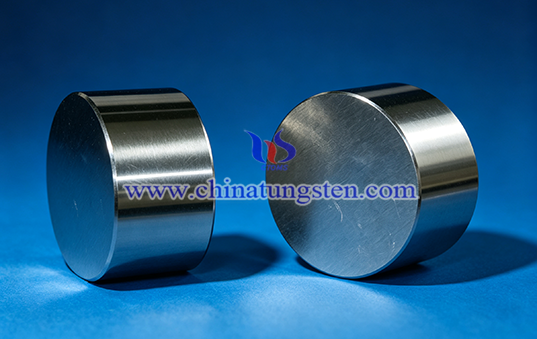
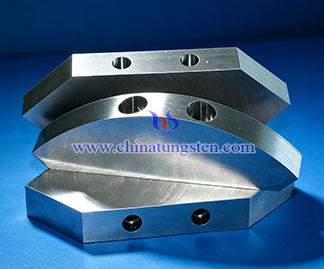
Tungsten alloy counterweight in aerospace is precision mass-adjustment component typically produced through powder metallurgy using high-specific-gravity tungsten alloy containing 90%–97% tungsten, with nickel-iron or nickel-copper binder phases. CTIA's tungsten alloy counterweight concentrates the required mass within limited space for aircraft center-of-gravity adjustment, dynamic balancing of rotating components, attitude control and inertial system stability.
1. Features of CTIA's Tungsten Alloy Counterweight in Aerospace
(1) High Density, Improving Space Utilization: Tungsten alloy typically has a density of 16.5–18.8 g/cm³, significantly higher than common aerospace structural materials such as aluminum and titanium alloys. The required counterweight mass can therefore be achieved in a smaller volume, supporting compact layouts, concentrated mass distribution and center-of-gravity adjustment.
(2) High Strength, Adapting to Vibration and Inertial Loads: Tungsten alloy typically has a tensile strength of 700–1200 MPa and hardness of approximately 25–35 HRC, providing good resistance to vibration and impact and supporting inertial loads generated during flight, high-speed rotation and launch.
(3) Good Thermal Stability, Maintaining Counterweight Accuracy: Tungsten alloy has a linear thermal expansion coefficient of approximately 4.3–5.5 × 10⁻⁶/°C, with relatively small dimensional changes as temperature varies. This helps maintain counterweight dimensions, installation position and mass balance in aerospace equipment exposed to temperature changes.
(4) Non-Magnetic Option, Reducing Magnetic Interference: W-Ni-Cu tungsten alloy is non-magnetic, with relative magnetic permeability close to 1, reducing the influence of counterweight materials on magnetic fields in inertial navigation, spaceborne equipment and other aerospace components sensitive to magnetic properties.
(5) Precision Machining, Supporting Complex Structures: Tungsten alloy supports turning, milling, grinding and drilling for thin-wall, perforated and irregular structures with customized dimensions and tolerances.
2. Applications of CTIA's Tungsten Alloy Counterweight in Aerospace
(1) Satellites and Spacecraft: Used for reaction wheels, flywheels and attitude-control mechanisms to increase rotational inertia and adjust overall center of gravity and mass distribution.
(2) Gyroscopes and Inertial Navigation: Used for gyroscope rotors, stabilized platforms and inertial components to improve dynamic balance and minimize the influence of rotational imbalance on measurement accuracy.
(3) Aircraft and Helicopters: Used for control surfaces, rotor blades and engine rotating components to compensate for mass deviations and reduce rotational imbalance and vibration.
(4) Unmanned Aerial Vehicles and Unmanned Systems: Used for airframes, propulsion units and motion components to adjust center of gravity and optimize mass distribution according to flight and propulsion configurations.
(5) Guidance and Inertial Systems: Used for inertial components, stabilization mechanisms and precision motion structures to control counterweight mass and position for balance and center-of-gravity requirements during high-speed motion.
(6) Ground Test and Simulation Equipment: Used for flight-test counterweights, structural balance tests and motion-component testing to reproduce the mass distribution and balance conditions of aerospace vehicles.
3. Specifications of CTIA's Tungsten Alloy Counterweight in Aerospace
(1) Material: W-Ni-Fe or W-Ni-Cu tungsten alloy
(2) Tungsten Content: 90%–97%
(3) Density: 16.5–18.8 g/cm³
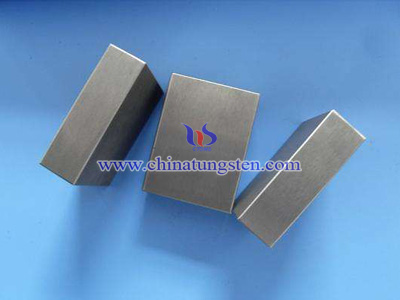
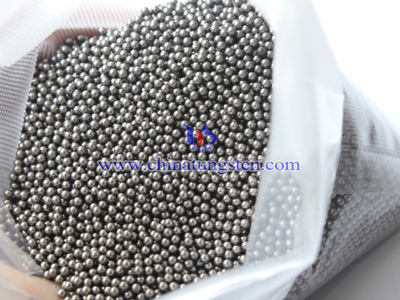
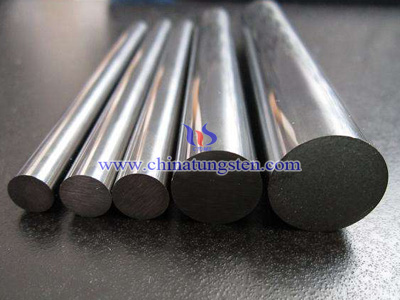
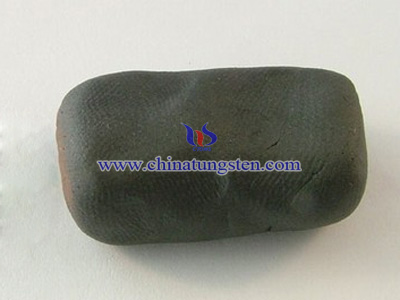
(4) Product Forms: Tungsten alloy blocks, rings, rods, balls and customized irregular parts
(5) Dimensions: Customizable
(6) Surface Condition: Ground or polished, Ra≤0.8μm; precision parts reach Ra≤0.4μm, with nickel plating or coatings available
With nearly 30 years of tungsten alloy manufacturing experience, CTIA GROUP (CTIA) offers customized tungsten alloy counterweight solutions tailored to aerospace requirements for mass, installation space, structure and magnetic properties. CTIA supports precision machining of thin-wall, perforated and complex irregular structures for satellites, aircraft, inertial systems and unmanned equipment.
For any inquiry, please contact tungsten alloy manufacturer: CTIA GROUP
Email: sales@chinatungsten.com
Tel: 0086 592 5129696 / 0086 592 5129595
Website: tungsten-alloy.com
WeChat:

Related Products: