Tungsten Alloy Counterweight in Sports Equipment
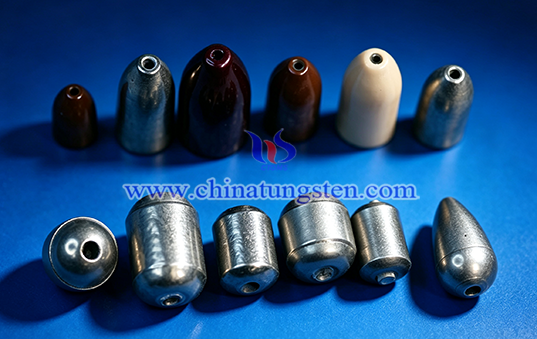
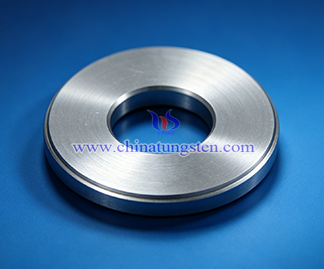
Tungsten alloy counterweight is high-density weight-balancing component made primarily from tungsten powder with nickel-iron or nickel-copper binder phases through powder metallurgy, mainly used for weight distribution, center-of-gravity adjustment, moment-of-inertia adjustment, and dynamic balancing in sports equipment. CTIA's tungsten alloy counterweight features high density, relatively high strength, good wear resistance, lead-free and non-toxic properties, and flexible structural machining, making it suitable for designated positions in golf clubs, darts, tennis rackets, badminton rackets, fishing tackle, and other sports equipment.
1. Features of CTIA's Tungsten Alloy Counterweight in Sports Equipment
(1) High Density for Compact-Space Counterweighting: Density is typically 16.5–18.75 g/cm³, more than twice that of steel and approximately 1.5 times that of lead, allowing the required mass to be concentrated in very small volumes and making it suitable for confined positions such as golf club heads, racket frames, and dart barrels.
(2) High Strength for Repeated Impact: Tensile strength reaches 700–1000 MPa with hardness of 25–35 HRC, providing good resistance to deformation and impact and allowing the counterweight to withstand repeated high-frequency impacts and intense vibration during ball striking, racket swings, and throwing.
(3) Concentrated Mass for Precise Center-of-Gravity Adjustment: High mass per unit volume allows the equipment's center of gravity, swing weight, and moment of inertia to be adjusted by changing counterweight mass, dimensions, and mounting position, helping achieve the desired handling characteristics.
(4) Good Wear Resistance for Frequent Long-Term Use: Wear resistance is approximately 50% higher than that of ordinary steel, while resistance to acidic, alkaline, and sweat-related corrosion supports long-term use in frequently rubbed or impacted components such as dart barrels and golf club adjustment screws while maintaining dimensional and weight stability.
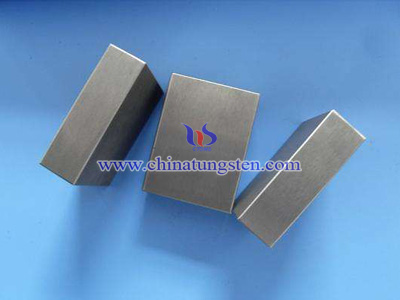
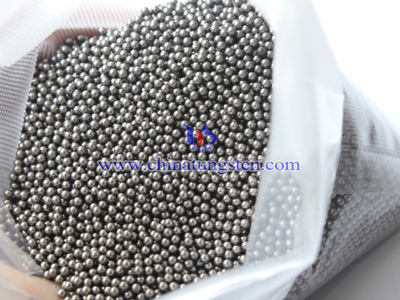
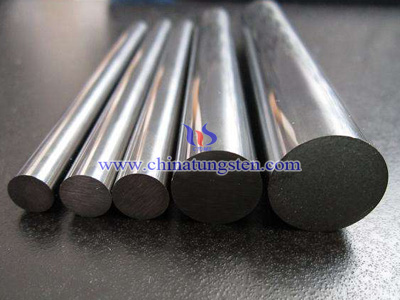
(5) Flexible Machining for Precision Customization: Tungsten alloy can be machined into counterweight blocks, plates, rods, balls, rings, screws, and complex irregular components, with holes, grooves, threads, knurling, and locating features available for precision machining.
(6) Lead-Free and Non-Toxic for Safer Use: Tungsten alloy contains no lead or radioactive elements and can meet environmental requirements such as RoHS and REACH, providing a material option for replacing traditional lead fishing weights and lead counterweight blocks.
2. Applications of CTIA's Tungsten Alloy Counterweight in Sports Equipment
(1) Golf Equipment: Used in the heel, toe, sole, and adjustment screws of golf club heads to adjust the center of gravity and moment of inertia, supporting balance and impact stability during swings.
(2) Darts: Used in dart barrels, shafts, and internal weighting structures to adjust overall weight and center of gravity while controlling dart dimensions, accommodating different throwing styles and weighting requirements.
(3) Rackets: Used along the frame edges, head, handle, and internal structures of tennis and badminton rackets to fine-tune balance point, swing weight, and torsional resistance, improving handling during impact.
(4) Fishing Tackle: Used as fishing weights for freshwater and saltwater fishing, reducing weight volume while meeting requirements for sinking speed, casting distance, and counterweight mass.
(5) Shooting and Archery Equipment: Used as adjustable counterweights in competition airgun stocks, bows, and related structures to adjust mass distribution and center of gravity, supporting holding stability and handling balance.
(6) Racing and Ski Equipment: Used in racing steering-wheel counterweight rings, ski counterweight components, and other sports structures to adjust mass distribution, moment of inertia, or motion balance.
(7) Fitness and Training Equipment: Used as internal counterweights in dumbbells, kettlebells, training equipment, and compact sports devices where mass must be configured within limited space.
3. Specifications of CTIA's Tungsten Alloy Counterweight in Sports Equipment
(1) Material: W-Ni-Fe, W-Ni-Cu
(2) Tungsten Content: 90%–97%
(3) Density: 16.5–18.75 g/cm³
(4) Structural Forms: Tungsten alloy blocks, plates, rods, balls, rings, screws, and irregular components, with perforated, slotted, threaded, knurled, and combined structures available
(5) Dimensions: Customizable
(6) Surface Finish: Ground, polished, or coated
CTIA GROUP (CTIA) has nearly 30 years of experience in tungsten alloy manufacturing, with capabilities covering powder metallurgy and precision machining. CTIA provides tungsten alloy counterweight design and customization based on sports equipment installation space, mass requirements, center-of-gravity position, operating environment, and assembly method, with material grade, density, dimensions, weight, and structural configuration tailored to specific application requirements, supporting sample production and batch supply for golf equipment, darts, rackets, fishing tackle, and other sports equipment.
For any inquiry, please contact tungsten alloy manufacturer: CTIA GROUP
Email: sales@chinatungsten.com
Tel: 0086 592 5129696 / 0086 592 5129595
Website: tungsten-alloy.com
WeChat:

Related Products: