Tungsten Alloy Wheel Balancing Weight
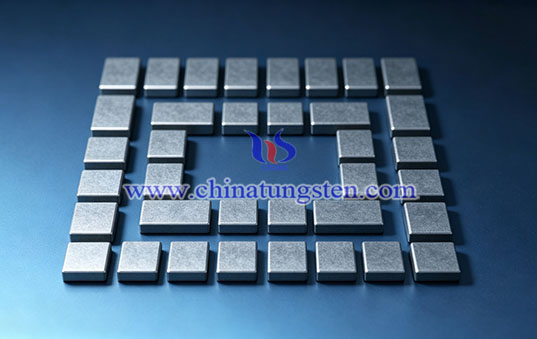
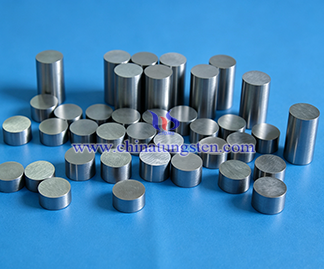
1. What's Tungsten Alloy Wheel Balancing Weight?
Tungsten alloy wheel balancing weight is dynamic balancing component for tire and wheel assemblies, produced from tungsten heavy alloy and installed at designated wheel positions to compensate for mass variations, improve rotational balance, and reduce vibration during high-speed operation. CTIA's tungsten alloy wheel balancing weight uses the high density and compact size of tungsten alloy to accommodate the required balancing mass in limited installation space, supporting wheel balancing in automobiles, racing cars, and high-performance vehicles.
2. Why Use Tungsten Alloy Balancing Weights for Tires?
(1) Achieve Compact-Space Balancing: Tungsten alloy has a density of approximately 16.5–18.8 g/cm³, requiring less volume for the same balancing mass and reducing space occupied near the wheel rim and tire mounting area, making it suitable for compact wheel structures.
(2) Compensate for Mass Variations: Tires, wheel hubs, and rims may have uneven mass distribution resulting from manufacturing and assembly. Tungsten alloy balancing weights compensate for localized mass variations at designated positions, helping restore the dynamic balance of the rotating wheel assembly.
(3) Reduce High-Speed Vibration: Tungsten alloy balancing weights can be precisely configured according to the measured wheel imbalance, reducing vibration caused by rotational imbalance and supporting greater stability and ride comfort during high-speed driving.
(4) Maintain Long-Term Stability: Tungsten alloy offers relatively high strength, hardness, and wear resistance. Some grades have tensile strength of approximately 700–1000 MPa and a coefficient of thermal expansion of approximately 4–6 × 10⁻⁶/°C, supporting stable operation under the centrifugal forces, vibration, and temperature variations generated by high-speed wheel rotation.
3. Applications of CTIA's Tungsten Alloy Wheel Balancing Weight
(1) Passenger Vehicle Tires: Used for dynamic balancing of tire and wheel assemblies in passenger vehicles such as sedans and SUVs, compensating for mass variations generated during tire and wheel assembly and reducing vibration during driving.
(2) Racing and High-Performance Vehicles: Used for wheel balancing adjustment in racing cars, sports cars, and high-performance automobiles, meeting requirements for balancing accuracy and operating stability under high-speed rotation.
(3) Commercial and Special-Purpose Vehicles: Used for trucks, construction vehicles, and other vehicles requiring precise wheel balancing and reliable operation, with balancing weight mass configured according to tire and wheel assembly structures.
4. Specifications of CTIA's Tungsten Alloy Wheel Balancing Weight
(1) Materials: W-Ni-Fe, W-Ni-Cu
(2) Tungsten Content: 90%–97%
(3) Density: 16.5–18.8 g/cm³
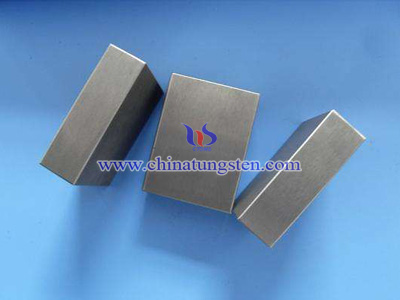
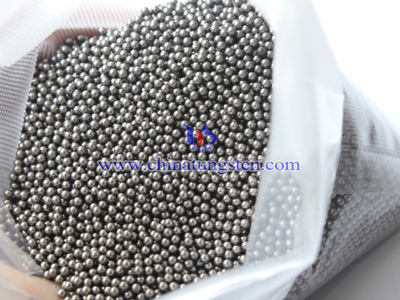
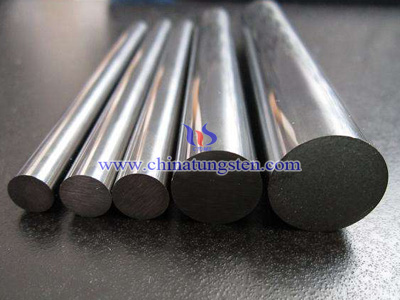
(4) Structures: Tungsten alloy blocks, plates, rods, strips, and customized structures
(5) Dimensions: Customizable
CTIA GROUP (CTIA) has nearly 30 years of experience in tungsten alloy manufacturing, with integrated capabilities in powder metallurgy and precision machining. CTIA provides tungsten alloy wheel balancing weights customized according to structural configuration, mounting method, and required balancing mass, with dimensions and other specifications adjusted to suit different tire and wheel assembly requirements.
For any inquiry, please contact tungsten alloy manufacturer: CTIA GROUP
Email: sales@chinatungsten.com
Tel: 0086 592 5129696 / 0086 592 5129595
Website: tungsten-alloy.com
WeChat:

Related Products: