Tungsten Alloy Aircraft Counterweight
1. What's Tungsten Alloy Aircraft Counterweight?
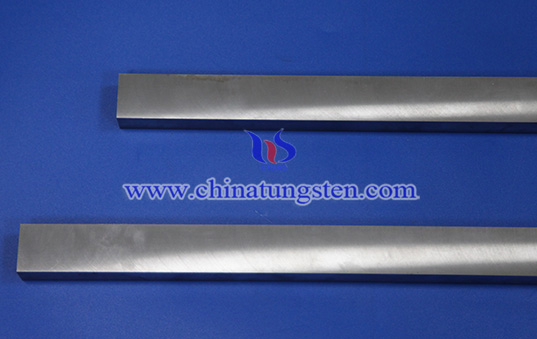
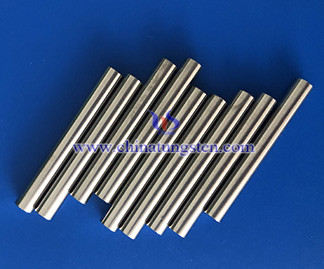
Tungsten alloy aircraft counterweight is mass-balancing component installed on aircraft wings, empennage, control surfaces, rotors, and other related components to correct mass imbalance, refine center-of-gravity position, balance control surfaces, and stabilize rotating assemblies. CTIA's tungsten alloy counterweight uses tungsten as the matrix with nickel, iron, or copper as binder phases and is produced through powder metallurgy, with its high density concentrating substantial mass within limited space while allowing counterweight mass, installation position, and structural dimensions to be adjusted to control the mass distribution and inertial characteristics of aircraft components.
2. Features of CTIA's Tungsten Alloy Aircraft Counterweight
(1) High Density, Compact Mass: A typical density of 16.5–18.8 g/cm³ allows substantial mass to be concentrated within limited space, making it suitable for aircraft structures, control surfaces, and rotating components.
(2) Flexible Weight Configuration, Balance Adjustment: Counterweight mass, structural dimensions, and installation position can be adjusted to control mass distribution and meet requirements for component balancing, center-of-gravity adjustment, and moment-of-inertia control.
(3) High Strength, Resistance to Flight Loads: High tensile strength, hardness, and wear resistance support resistance to vibration, impact, and continuous movement during aircraft operation while maintaining structural stability.
(4) Low Thermal Expansion, Stable Dimensions: A low coefficient of thermal expansion limits dimensional changes with temperature variations, helping maintain stable counterweight positioning, assembly dimensions, and mass distribution.
(5) Different Alloy Systems, Magnetic Property Options: W-Ni-Fe and W-Ni-Cu alloy systems are available, with W-Ni-Cu offering low magnetic response for aircraft components with specific magnetic-environment requirements.
(6) Precision Machining, Consistent Weight: Turning, milling, grinding, drilling, and other precision machining processes control dimensions, hole positions, and mass deviation, combined with dynamic balancing inspection to meet counterweight precision requirements for rotating components.
3. Applications of CTIA's Tungsten Alloy Aircraft Counterweight
(1) Aircraft Weight and Balance: Used during aircraft design, assembly, or modification to adjust mass distribution and correct the center of gravity of components or the complete aircraft to achieve the required balance condition.
(2) Flight Control Surfaces: Used in ailerons, elevators, rudders, flaps, and other control surfaces to adjust mass distribution and center-of-gravity position, improving flight control characteristics and reducing flutter risk.
(3) Rotors and Rotor Blades: Used in helicopter rotors, rotor blades, rotor hubs, and other components to compensate for mass differences, improve rotational balance, and reduce imbalance vibration during operation.
(4) Propellers: Used in propeller blades and related mechanisms to adjust mass distribution and rotational balance according to balancing test results, with some structures also serving in overspeed protection mechanisms.
(5) Aircraft Engine Rotating Components: Used in engine rotors, compressor rotors, turbine rotors, and other high-speed rotating components to correct local mass distribution and reduce vibration caused by imbalance.
(6) Flight-Test Ballast: Used in prototype testing, flight testing, and load validation to simulate the mass distribution of equipment, crew, and other loads through configured ballast mass.
(7) Inertial and Vibration-Damping Components: Used in certain inertial mechanisms, gyroscope rotors, and vibration-damping structures to improve operational stability by adjusting mass and moment of inertia.
4. Specifications of CTIA's Tungsten Alloy Aircraft Counterweight
(1) Material: W-Ni-Fe, W-Ni-Cu
(2) Tungsten Content: Typically 90%–97%
(3) Density: 16.5–18.8 g/cm³
(4) Common Grades: 90WNiFe, 93WNiFe, 95WNiFe, 97WNiFe, 90WNiCu, 95WNiCu
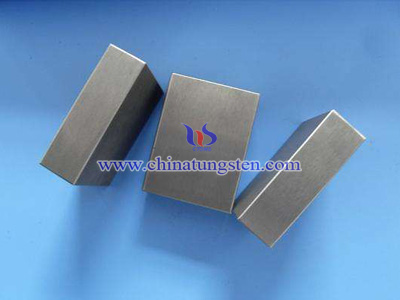
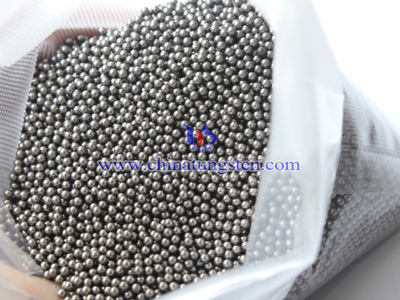
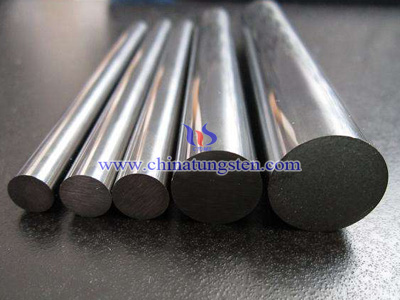
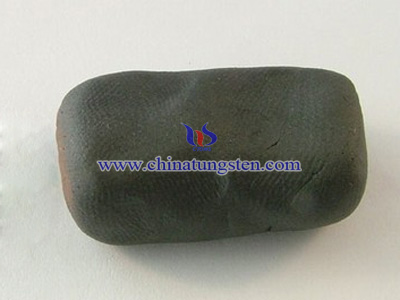
(5) Structural Forms: Tungsten alloy rods, blocks, rings, balls, and customized counterweights
(6) Dimensions: Customizable
(7) Surface Condition: Ground or polished, Ra ≤ 0.8 μm (precision parts ≤ 0.4 μm)
CTIA GROUP (CTIA) has nearly 30 years of experience in tungsten alloy manufacturing, with capabilities in powder metallurgy and precision machining. CTIA provides tungsten alloy aircraft counterweights with material selection, structural design, precision machining, and quality inspection to meet customer requirements for flight control surfaces, rotors, propellers, aircraft engines, and other components.
For any inquiry, please contact tungsten alloy manufacturer: CTIA GROUP
Email: sales@chinatungsten.com
Tel: 0086 592 5129696 / 0086 592 5129595
Website: tungsten-alloy.com
WeChat:

Related Products: