Tungsten Alloy Counterweight in Medical Equipment
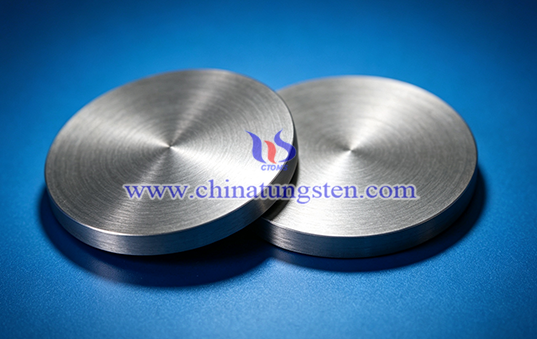
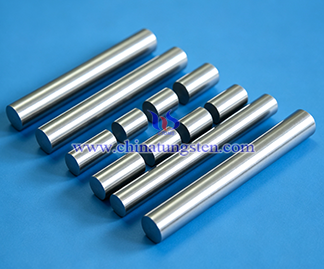
Tungsten alloy counterweight in medical equipment is high-density balancing component for motion mechanisms, load-bearing structures and balancing assemblies, providing mass compensation, center-of-gravity adjustment and motion balance. CTIA's tungsten alloy counterweight uses W-Ni-Fe or W-Ni-Cu tungsten alloy containing 90%–97% tungsten, with a typical density of 16.5–18.8 g/cm³, allowing the required counterweight mass to be concentrated within limited installation space.
1. Features of CTIA's Tungsten Alloy Counterweight in Medical Equipment
(1) High Density, Compact Size: Tungsten alloy typically has a density of 16.5–18.8 g/cm³, requiring less volume for the same mass and approximately 2/3 the volume of lead, making it suitable for counterweight structures within space-constrained medical equipment.
(2) Non-Magnetic Option, Magnetic Field Compatibility: W-Ni-Cu tungsten alloy is non-magnetic, with relative magnetic permeability close to 1, making it suitable for medical equipment and motion components sensitive to magnetic field interference.
(3) Precise Dimensions, Complex Structure Compatibility: Precision machining supports miniature, perforated and irregular counterweight structures, with dimensions and tolerances tailored to specific equipment and assembly requirements.
(4) Concentrated Mass, Flexible Balance Adjustment: Counterweight mass and installation position can be tailored to equipment requirements, allowing adjustment of center of gravity and mass distribution for balanced motion mechanisms.
(5) Lead-Free Material, Regulatory Compliance: Tungsten alloy is lead-free and can meet material requirements for medical equipment.
2. Applications of CTIA's Tungsten Alloy Counterweight in Medical Equipment
(1) Magnetic Resonance Imaging (MRI) Equipment: Used for motion components, load-bearing mechanisms and balancing assemblies, where non-magnetic W-Ni-Cu counterweights help minimize magnetic interference.
(2) Computed Tomography (CT) Equipment: Used for rotating mechanisms, load-bearing components and motion structures to provide local mass compensation and rotational balance adjustment.
(3) Radiotherapy Equipment: Used for treatment heads, rotating mechanisms and motion components to adjust mass distribution and center of gravity.
(4) Medical Robots: Used for robotic arm joints, end-effectors and precision motion components to optimize mass distribution and motion inertia.
(5) Surgical and Diagnostic Equipment: Used for positioning mechanisms, motion platforms and load-bearing structures to provide mass compensation and center-of-gravity adjustment within limited installation space.
(6) Portable Medical Equipment: Used for small motion components and internal structures requiring compact counterweight configurations.
3. Specifications of CTIA's Tungsten Alloy Counterweight in Medical Equipment
(1) Material: W-Ni-Fe or W-Ni-Cu tungsten alloy
(2) Tungsten Content: 90%–97%
(3) Density: 16.5–18.8 g/cm³
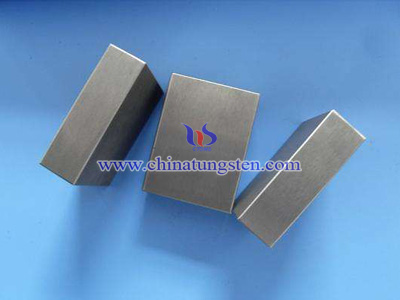
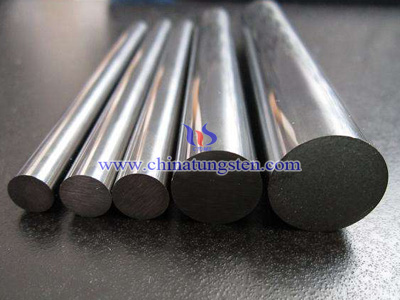
(4) Product Forms: Counterweight blocks, counterweight rings, counterweight rods and customized irregular counterweights
(5) Dimensions: Customizable
(6) Surface Condition: Ground or polished, Ra≤1.6μm; precision parts can reach Ra≤0.4μm
With nearly 30 years of tungsten alloy manufacturing experience, CTIA GROUP (CTIA) delivers customized tungsten alloy counterweight solutions tailored to the mass, installation space, structural configuration and magnetic requirements of medical equipment. CTIA supports precision machining of miniature, perforated, slotted and irregular structures for CT, radiotherapy equipment, medical robots and other precision medical systems.
For any inquiry, please contact tungsten alloy manufacturer: CTIA GROUP
Email: sales@chinatungsten.com
Tel: 0086 592 5129696 / 0086 592 5129595
Website: tungsten-alloy.com
WeChat:

Related Products: