Tungsten Alloy Wheel Counterweight
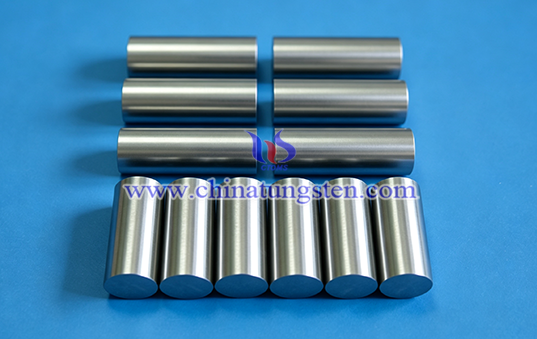
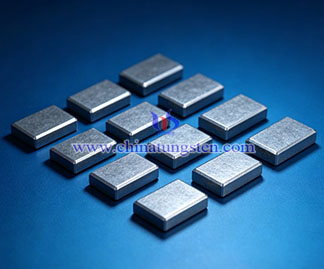
1. What's Tungsten Alloy Wheel Counterweight?
Tungsten alloy wheel counterweight is mass-balancing component manufactured through powder metallurgy with tungsten as the matrix and nickel, iron, or copper as binder phases, installed at designated hub positions to compensate for mass variations in wheel and tire assemblies. CTIA's tungsten alloy wheel counterweight combines high density, high strength, good wear resistance, and compact size to concentrate the required mass within limited installation space, improving wheel rotational balance in racing cars, high-performance vehicles, and other vehicles operating at high speed.
2. Why Do Wheels Use Tungsten Alloy Counterweights?
(1) Reduce Space Requirements: Tungsten alloy has a density of approximately 16.5–18.8 g/cm³, requiring less volume for the same counterweight mass and allowing greater mass to be positioned within limited hub space, supporting compact counterweight designs for racing and high-performance vehicles.
(2) Improve Rotational Balance: Tungsten alloy allows the required counterweight mass to be concentrated near designated balancing positions. Adjusting counterweight mass and position according to hub structure and dynamic balancing requirements helps optimize wheel mass distribution and reduce vibration caused by rotational imbalance.
(3) Withstand High-Speed Operation: Tungsten alloy offers relatively high strength, high hardness, and good wear resistance, with tensile strength of approximately 700–1000 MPa for some grades and a coefficient of thermal expansion of approximately 4–6 × 10⁻⁶/°C. These properties support counterweight operation under centrifugal forces, vibration, and temperature variations generated by high-speed wheel rotation.
3. Applications of CTIA's Tungsten Alloy Wheel Counterweight
(1) Racing and Vehicles: Used for mass balancing of wheel and hub assemblies in racing cars, sports cars, and high-performance vehicles to improve rotational stability during high-speed operation.
(2) Modified Vehicles: Used for dynamic balancing of modified wheel assemblies, with counterweight mass configured according to wheel structure and the combined requirements of the wheel and tire.
(3) Special-Purpose Vehicles: Used for wheel components in vehicles with demanding requirements for rotational balance and operating stability, meeting specific counterweighting needs under particular operating conditions.
4. Specifications of CTIA's Tungsten Alloy Wheel Counterweight
(1) Materials: W-Ni-Fe, W-Ni-Cu
(2) Tungsten Content: 90%–97%
(3) Density: 16.5–18.8 g/cm³
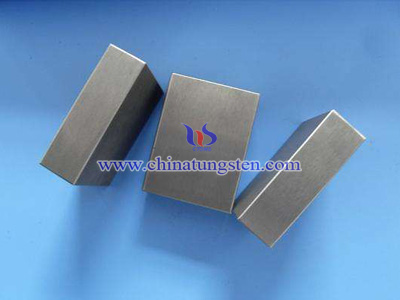
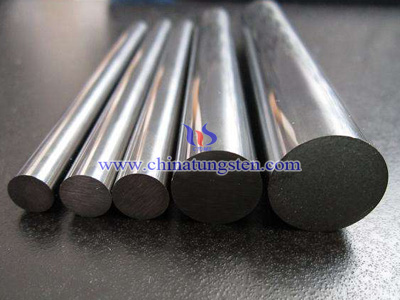
(4) Shapes: Tungsten alloy blocks, rods, plates, and customized structures
(5) Dimensions: Customizable
CTIA GROUP (CTIA) has nearly 30 years of experience in tungsten alloy manufacturing, with integrated capabilities in powder metallurgy and precision machining. CTIA provides tungsten alloy wheel counterweights with material selection, structural design, and precision manufacturing tailored to wheel balancing requirements, with mass, dimensions, mounting configurations, and other specifications customized to different wheel and hub assemblies.
For any inquiry, please contact tungsten alloy manufacturer: CTIA GROUP
Email: sales@chinatungsten.com
Tel: 0086 592 5129696 / 0086 592 5129595
Website: tungsten-alloy.com
WeChat:

Related Products: