Tungsten Alloy Counterweight in Consumer Electronics
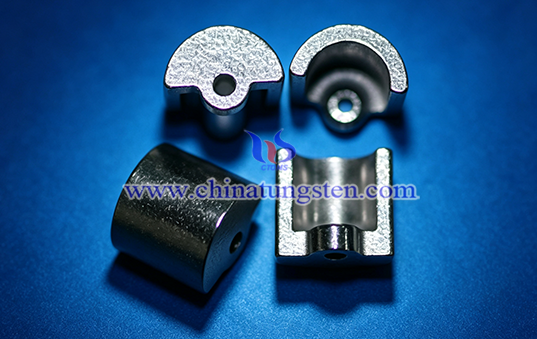
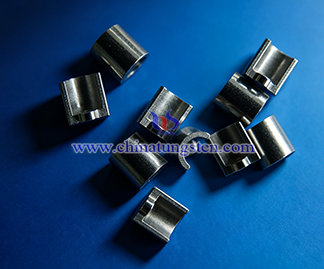
Tungsten alloy counterweight in consumer electronics is a high-specific-gravity balancing component for compact electronic products such as smartphones, smart wearables, wireless earbuds and gaming devices. CTIA's tungsten alloy counterweight typically has a density of 16.5–18.8 g/cm³, allowing concentrated mass within limited space for vibration motors, Optical Image Stabilization (OIS) modules and center-of-gravity adjustment.
1. Features of CTIA's Tungsten Alloy Counterweight in Consumer Electronics
(1) High Density, Compact Volume: Tungsten alloy typically has a density of 16.5–18.8 g/cm³, requiring less volume for the same mass and fitting space-constrained internal structures of smartphones, watches and earbuds.
(2) Precise Dimensions, Micro-Assembly Compatibility: Precision grinding and CNC machining support tight dimensional control, with miniature blocks, thin plates, perforated parts and irregular structures available for precision assembly.
(3) Concentrated Mass, High Inertia: High mass density provides greater inertial mass within compact dimensions, supporting moving components such as linear vibration motors and Optical Image Stabilization (OIS) modules.
(4) Lead-Free, Environmental Compliance: Tungsten alloy contains no lead and can meet RoHS and REACH requirements, making it suitable for lead-free counterweight applications in consumer electronics.
(5) Non-Magnetic Option, Reduced Magnetic Interference: W-Ni-Cu tungsten alloy is non-magnetic, with relative magnetic permeability close to 1, making it suitable for consumer electronic components sensitive to magnetic interference.
2. Applications of CTIA's Tungsten Alloy Counterweight in Consumer Electronics
(1) Smartphones: Used in linear vibration motor masses and Optical Image Stabilization (OIS) modules to enhance haptic feedback and camera stability.
(2) Smart Wearables: Used in motion components and internal structures of smartwatches and smart bands to adjust mass distribution and improve vibration alerts.
(3) Wireless Earbuds: Used in driver units or internal housings of True Wireless Stereo (TWS) earbuds to adjust local mass and wearing balance.
(4) Gaming Devices: Used in vibration motors of game controllers to increase vibration inertia and enhance haptic feedback.
(5) VR/AR Devices: Used inside Virtual Reality (VR) and Augmented Reality (AR) headsets to adjust front-to-rear weight distribution and improve wearing balance.
(6) Laptops and Tablets: Used in hinges, speakers and other internal moving components to adjust local mass and improve opening and closing feel and overall balance.
3. Specifications of CTIA's Tungsten Alloy Counterweight in Consumer Electronics
(1) Material: W-Ni-Cu tungsten alloy
(2) Tungsten Content: 90%–97%
(3) Density: 16.5–18.8 g/cm³
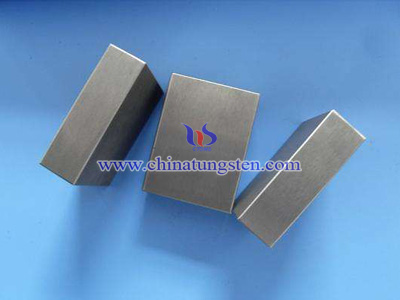
(4) Product Forms: Tungsten alloy blocks, sheets, rings, and customized irregular parts
(5) Dimensions: Customizable
(6) Surface Condition: Precision-ground or polished, with nickel plating or other coatings available
Drawing on nearly 30 years of tungsten alloy manufacturing experience, CTIA GROUP (CTIA) delivers customized tungsten alloy counterweight solutions with controlled composition, density, dimensions and weight accuracy. CTIA supports miniature counterweights with holes, slots and irregular structures, tailored to the installation space, mass requirements and assembly needs of smartphones, smart wearables, wireless earbuds and other consumer electronics.
For any inquiry, please contact tungsten alloy manufacturer: CTIA GROUP
Email: sales@chinatungsten.com
Tel: 0086 592 5129696 / 0086 592 5129595
Website: tungsten-alloy.com
WeChat:

Related Products: